
Learning Styles: Should Education Support How Different Children Learn?
Every child learns differently.
Some children understand a new concept more easily when they can see it. Others benefit from talking it through, reading about it, watching a demonstration or getting hands-on with the material.
But that does not mean that every child has a specific “learning style.”
The popular idea that children are either visual, auditory or kinaesthetic learners has been widely discussed in education, but research does not provide strong evidence that children learn better simply because teaching is matched to a supposed fixed learning style.
That doesn't mean we should ignore individual differences.
Quite the opposite.
Education should support different ways of learning, engaging with information and demonstrating understanding, without putting children into rigid learning-style boxes. There is no one-size-fits-all approach to learning. If the child is ENGAGED the child will LEARN.
Children Are Different Learners
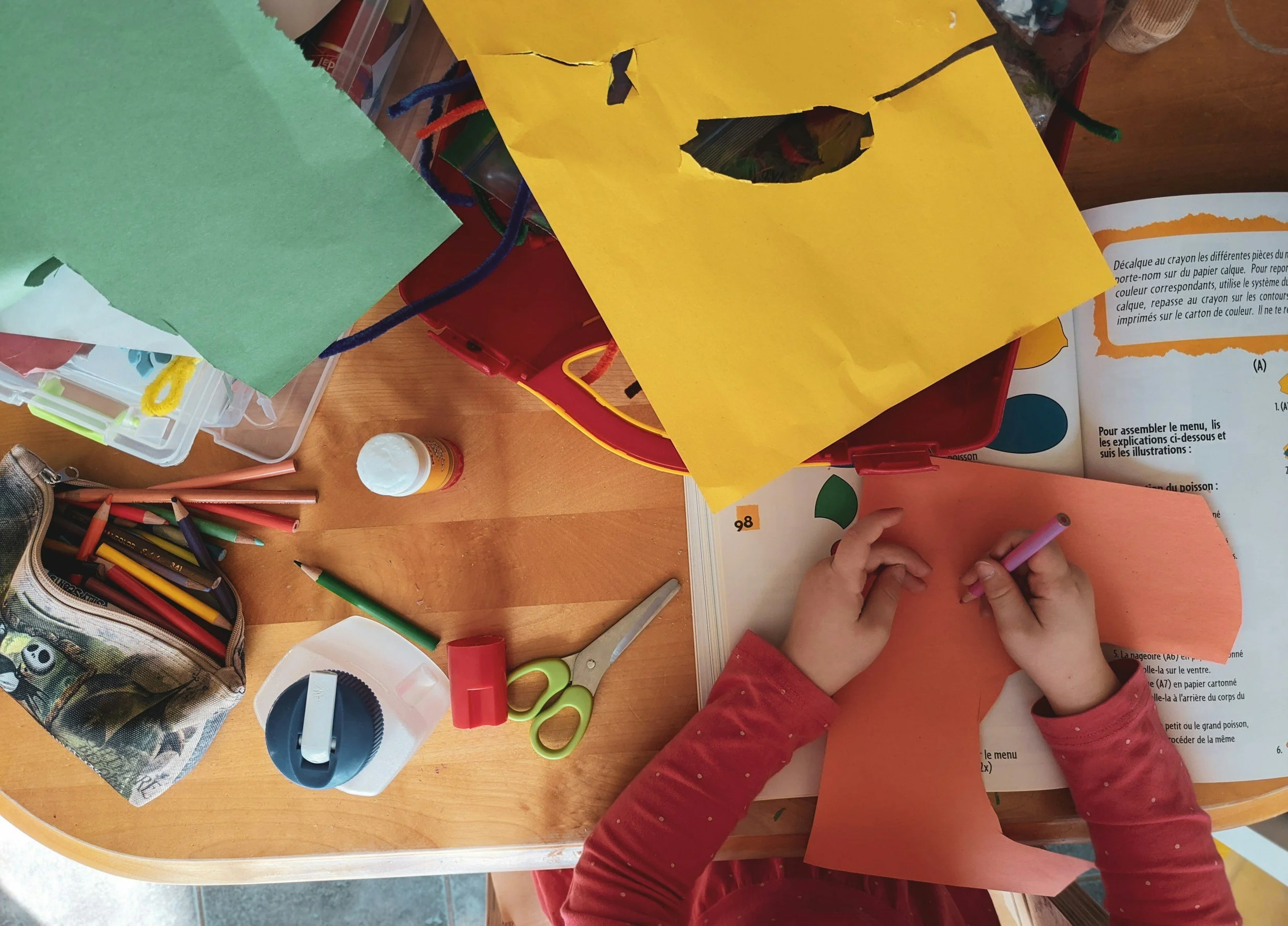
A child may enjoy pictures and diagrams but still need to read instructions to understand a task.
Another child may love discussion but benefit from writing down key information.
A learner who enjoys hands-on activities may still need explicit explanations when learning a new mathematical concept.
Our preferences can change depending on the subject, the task, our previous knowledge and even how confident or tired we are.
This is why the question shouldn't simply be:
“What is this child's learning style?”
At NeuroNudge we ask:
“What does this child need to understand this particular concept?”
Supporting Different Ways of Learning
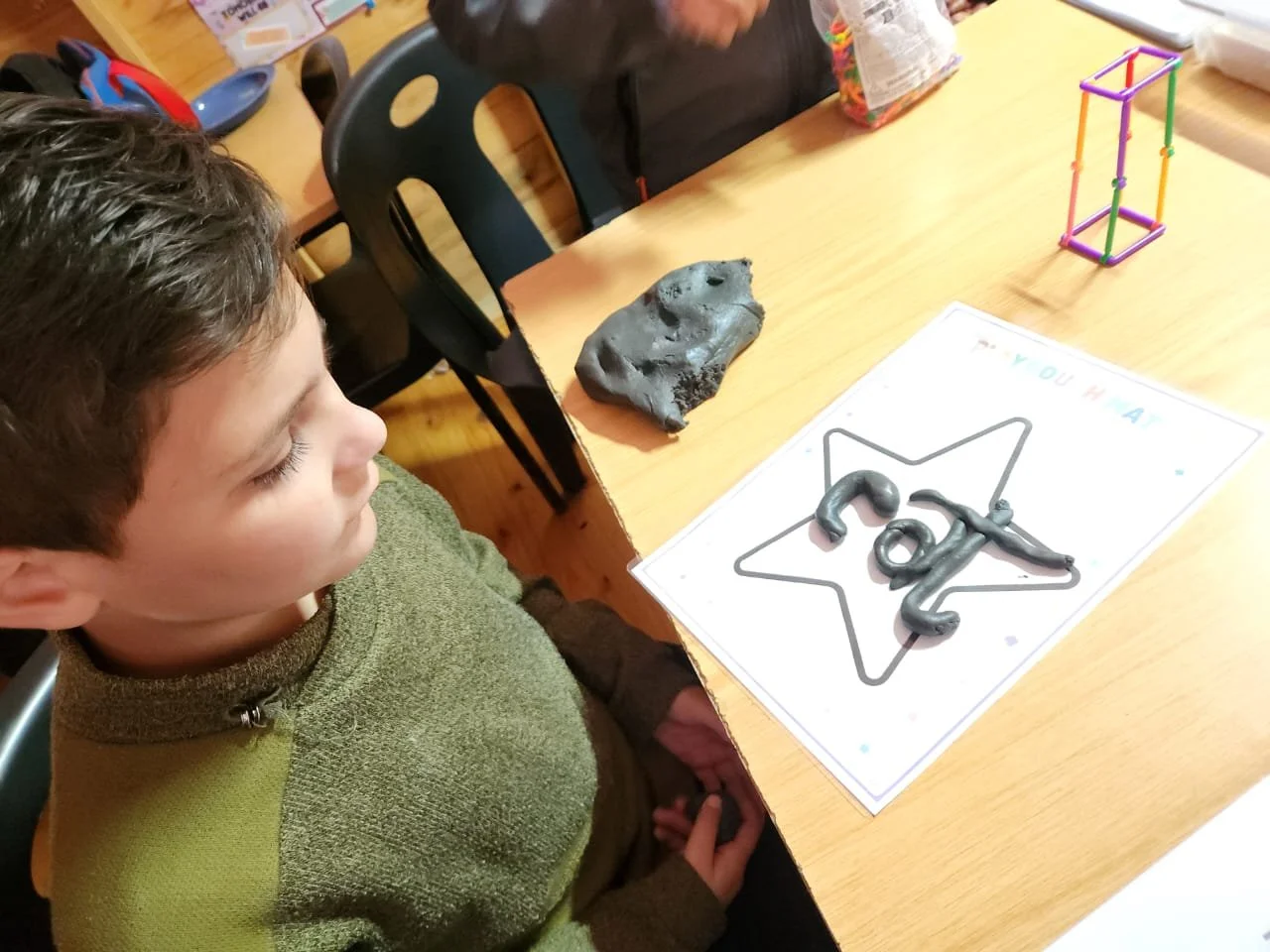
Good education should provide children with opportunities to encounter information in different ways.
This is where multimodal learning becomes important.
Multimodal learning combines different methods that complement one another, such as:
Visual information such as diagrams, illustrations and demonstrations
Verbal explanations and discussion
Reading and writing
Practical and hands-on activities
Interactive digital resources
Problem-solving and real-world application
Opportunities to explain or demonstrate understanding
The purpose isn't to throw every possible learning method at a child.
It is to choose the approaches that make sense for the learner, the subject and the learning objective.
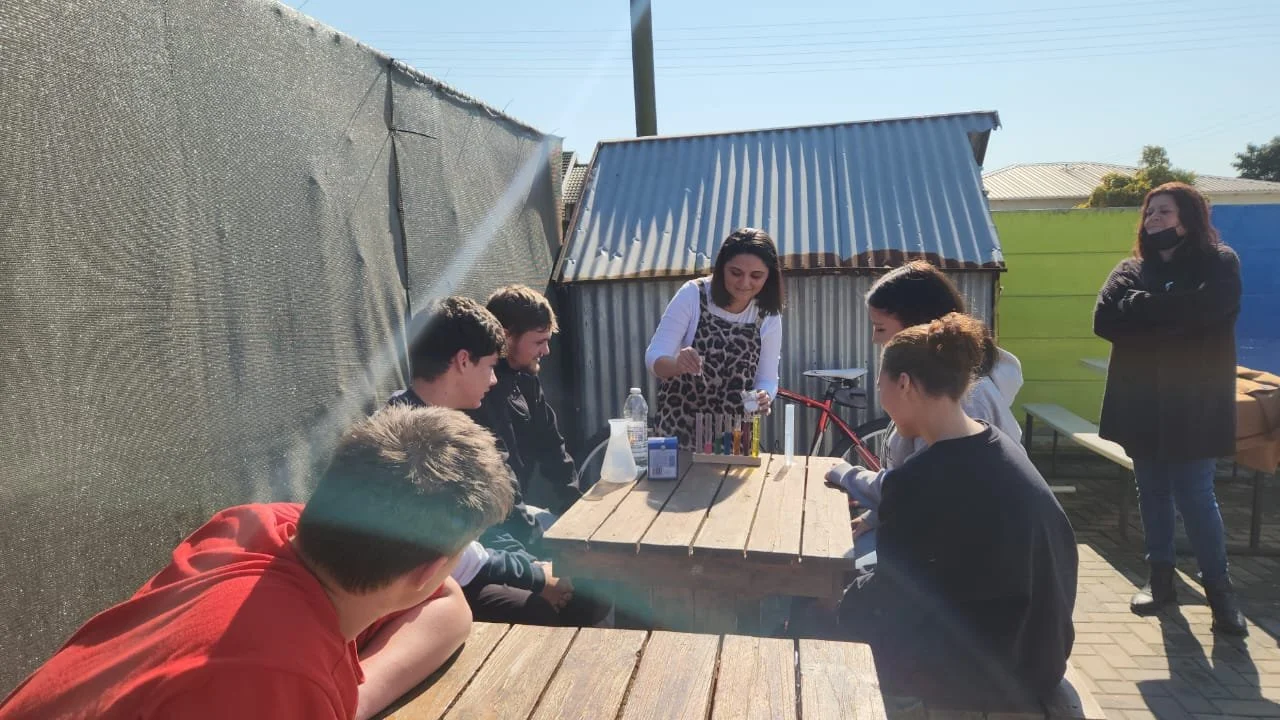
For example, a science concept might be introduced through a visual diagram, explained by a tutor, explored through an experiment and then reinforced through questions and written work.
The child isn't being taught according to a “learning style.”
They are being given multiple ways to build understanding.
What About Children Who Need More Flexibility?
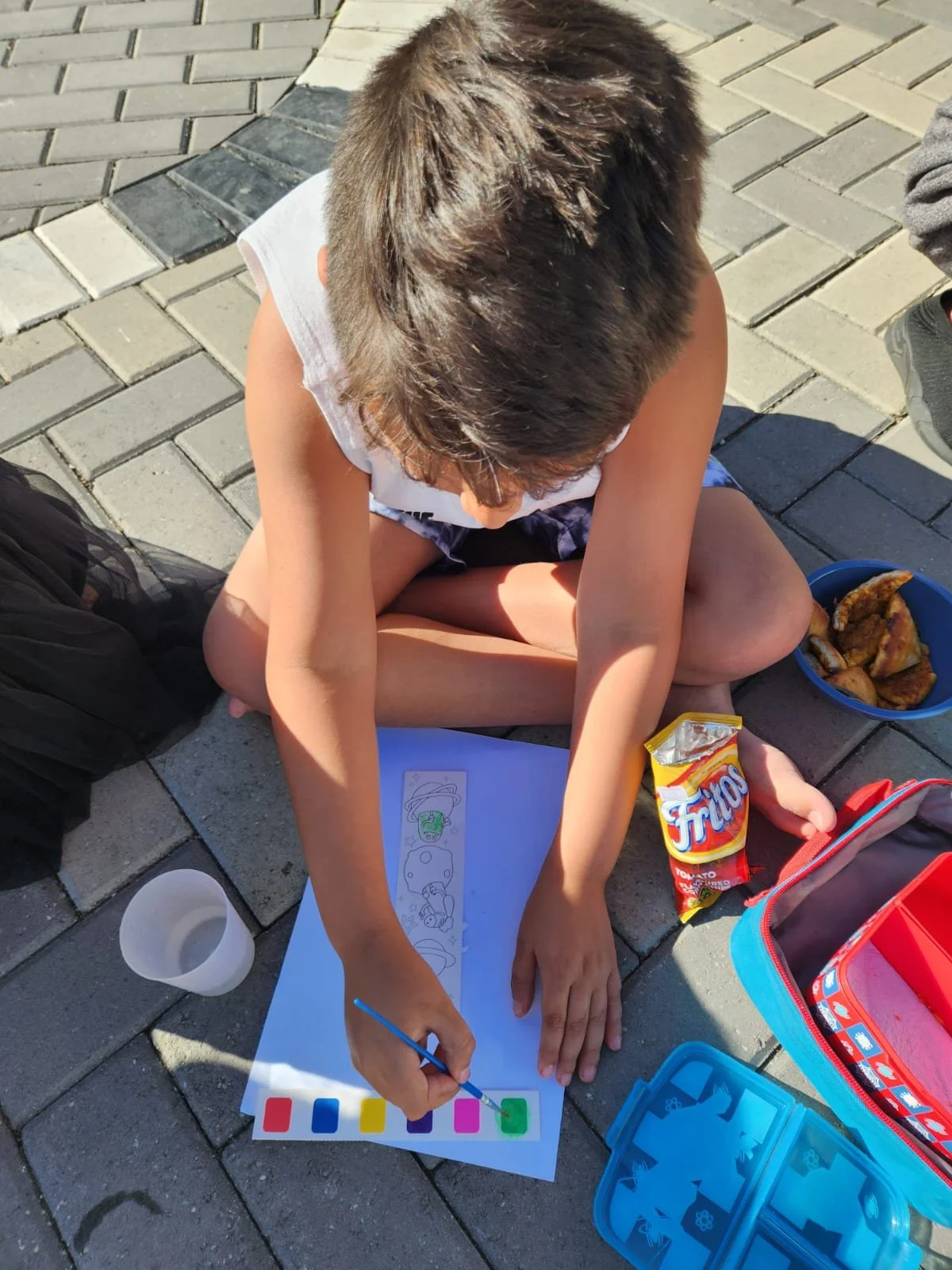
Supporting different learners also means recognising that learning doesn't always need to happen at the same pace or at exactly the same time.
This is where asynchronous learning can be valuable.
Asynchronous learning allows learners to access lessons, resources and activities without needing to complete everything simultaneously with everyone else.
A learner might be able to:
Rewatch an explanation they didn't understand the first time.
Pause and revisit difficult material.
Spend longer practising a challenging concept.
Move ahead when they have already mastered something.
Return to previous lessons for revision.
Complete independent activities during periods when they are most focused.
Prepare questions before meeting with a tutor for additional support.
This doesn't mean children should simply be left to work independently.
Asynchronous learning works best when it is supported by structure, monitoring, feedback and access to a tutor when help is needed.
It creates flexibility without removing support.
Flexibility Does Not Mean Lower Expectations
There is this misconception that adapting learning means making things easier.
It doesn't.
The goal is not to lower the standard. The goal is to create an appropriate pathway towards that standard. If the goal is to learn, why not do it in a way that the child will LEARN.
A learner may need more time, additional practice, a different explanation or a practical example before they can demonstrate the same understanding.
Providing that support isn't giving the child an unfair advantage, no child should have to claw their way through a curriculum anyway.
It is important that educators start recognising that children do not all arrive at the same understanding in exactly the same way..
Different Subjects Need Different Approaches
Another reason fixed learning styles don't work well is that the nature of the subject matters.
Learning to read requires specific skills and practice.
Learning mathematics may involve symbols, models, explanations and repeated problem-solving.
Science can benefit from observation, experimentation and discussion.
History may involve reading, analysing sources, timelines and understanding different perspectives. Role play is often a great way to create a visual representation of different opinions.
There isn't one “best” way to learn all of these things.
The most effective approach should be connected to what the learner is trying to understand or do.
What Actually Helps Children Learn?
Rather than focusing on learning-style labels, education can focus on evidence-informed practices that help learners build and retain knowledge.
These include:
Active Learning
Children need opportunities to think, question, practise, solve problems and apply what they have learned.
Retrieval
Being asked to recall previously learned information helps strengthen memory.
Spaced Practice
Returning to important concepts over time can support longer-term retention.
Clear Instruction
Children benefit from explanations, modelling and examples that make new concepts understandable. Step-by-step instructions are also extremely useful.
Feedback
Useful feedback helps learners recognise mistakes, understand why they occurred and improve. Feedback requires discussion and understanding from both the educator and the student.
Connecting New Knowledge
New concepts are easier to understand when learners can connect them to knowledge they already have. Ask students to recall old lessons, and how the new and old concept connects.
Appropriate Challenge
Learning should be challenging enough to encourage growth while providing the support necessary for the learner to succeed. This is where children are often discouraged. The challenge without appropriate support is setting that child up for failure.
Individualised Learning Is More Than a Learning Style
True individualisation isn't about identifying a child's favourite way of receiving information and using it forever.
It means looking at the whole learner.
What do they already understand?
Where are they struggling?
What interests them?
What support do they need?
What helps them stay engaged?
Do they need additional practice?
Would a visual representation make an abstract idea clearer?
Would a practical activity help them connect theory to reality?
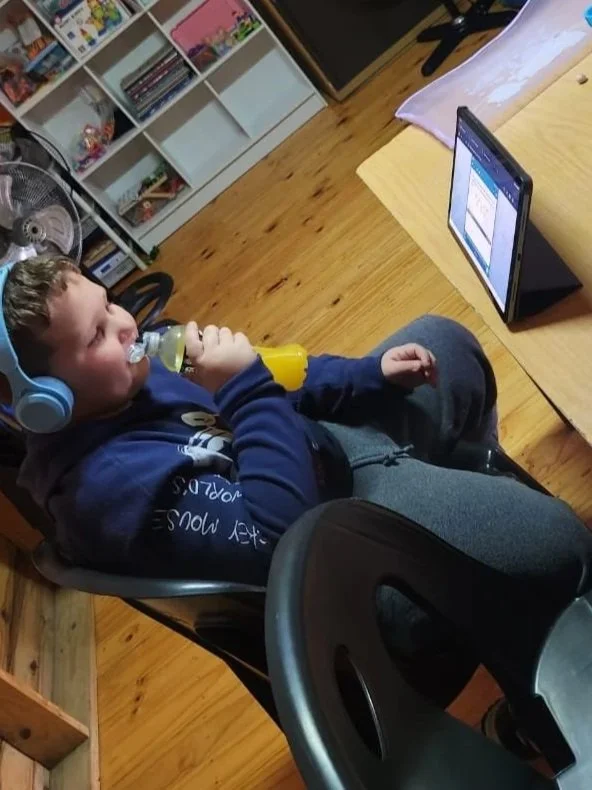
Would asynchronous access allow them to revisit the material independently?
Would targeted tutor support help them overcome a particular barrier?
These questions lead to much more meaningful individualisation than simply saying:
“This child is a visual learner.”
Children Deserve More Than One Way to Learn
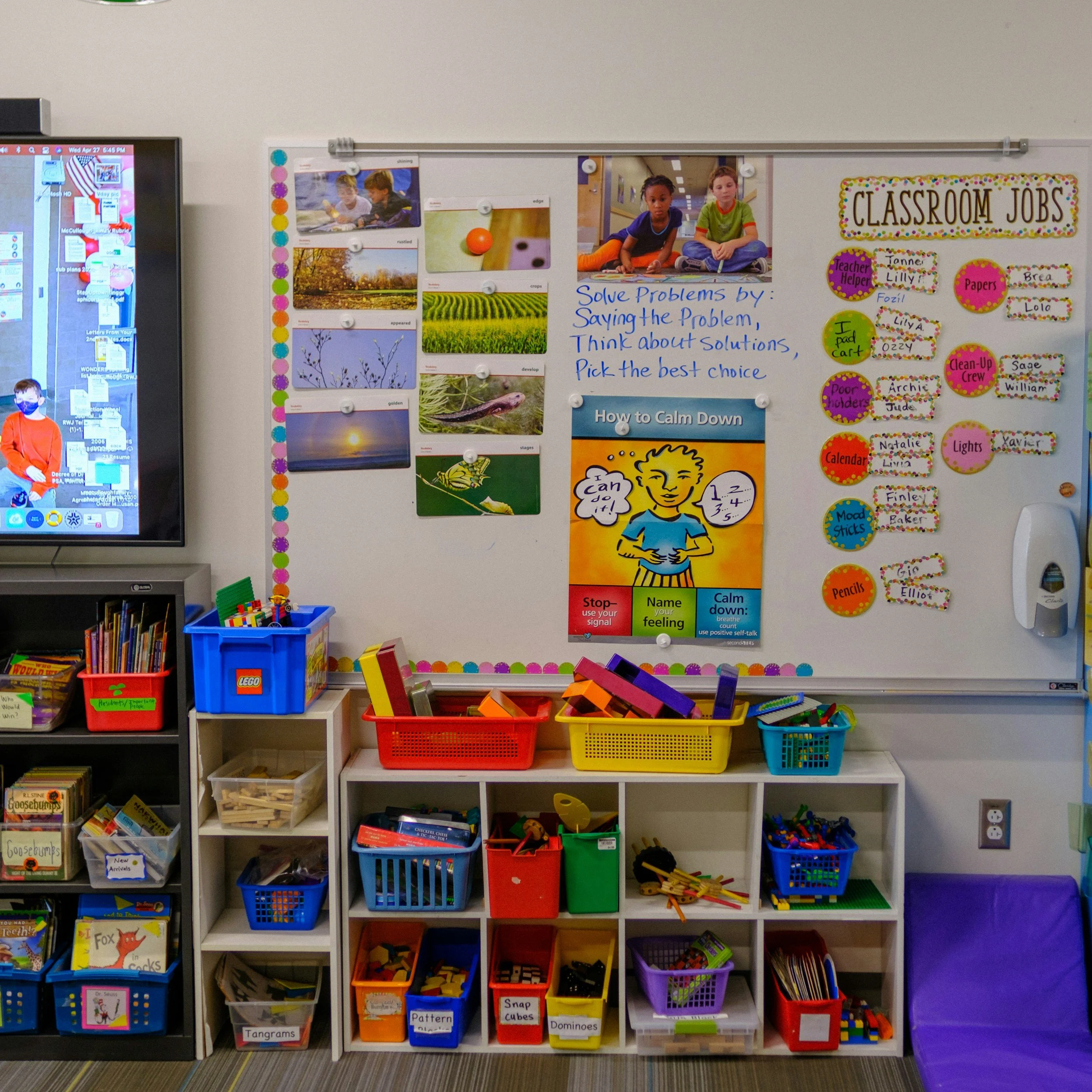
Supporting different ways of learning means recognising that one-size-fits-all education isn't always the best fit for every learner.
Children should have opportunities to see, hear, read, discuss, practise, create, experiment, question and apply what they are learning.
They should also have appropriate flexibility in when and how they engage with learning, including asynchronous opportunities where these genuinely support the learning process.
Most importantly, children should be supported according to their actual learning needs, rather than being defined by a label.
At NeuroNudge, We Believe Learning Should Be Flexible

At NeuroNudge, we don't believe children need to be placed into a box labelled visual learner, auditory learner or kinaesthetic learner.
We believe learning should be individualised, multimodal and flexible.
Sometimes a child needs to see it.
Sometimes they need to hear it.
Sometimes they need to do it.
Sometimes they need to practise it again tomorrow.
And sometimes they need the freedom to work through a lesson asynchronously before asking for help.
Different learners may need different pathways, but every learner deserves the opportunity to reach their potential.
